The liquid dairy and beverage industry is evolving rapidly, driven by consumer demand for quality, variety, and efficiency. Upgrading and automating production plants is essential for staying competitive, enhancing product consistency, reducing costs, and meeting regulatory standards.
Benefits of Upgrading and Automating Dairy and Beverage Plants
- Improved Efficiency:
- Automation streamlines operations, reducing bottlenecks and minimizing downtime.
- Upgraded equipment operates faster and requires less manual intervention.
- Enhanced Product Quality:
- Automation ensures consistent product quality by reducing human error.
- Advanced sensors and monitoring systems maintain precise temperature, pressure, and flow controls.
- Cost Savings:
- Reduced labor costs with automated systems.
- Lower energy consumption with modern, energy-efficient equipment.
- Regulatory Compliance:
- Automation helps ensure adherence to food safety regulations like HACCP and FDA guidelines.
- Scalability:
- Modern systems allow for seamless expansion to meet growing production demands.
Key Areas for Upgrading and Automation
- Milk Reception and Storage:
- Automated flow meters for precise milk intake measurements.
- Improved cooling systems for optimal milk preservation.
- Pasteurization and Homogenization:
- High-efficiency pasteurizers with automated temperature control.
- Homogenizers with advanced automation for consistent texture and taste.
- Mixing and Blending:
- Automated mixing tanks with precise ingredient dosing systems.
- Recipe management software for consistent product formulations.
- Filling and Packaging:
- High-speed filling machines with minimal spillage.
- Automated packaging systems that handle various bottle sizes and formats.
- Cleaning in Place (CIP):
- Fully automated CIP systems ensure thorough cleaning with minimal resource use.
- Scheduled cleaning cycles improve hygiene and reduce downtime.
- Monitoring and Analytics:
- IoT-enabled sensors for real-time monitoring of production parameters.
- Data analytics tools to optimize production processes and identify inefficiencies.
Steps to Upgrade and Automate
- Assess Current Systems:
- Identify outdated equipment and bottlenecks in the production process.
- Evaluate energy usage and maintenance costs.
- Define Objectives:
- Determine key goals, such as improving efficiency, reducing waste, or increasing capacity.
- Invest in Smart Technologies:
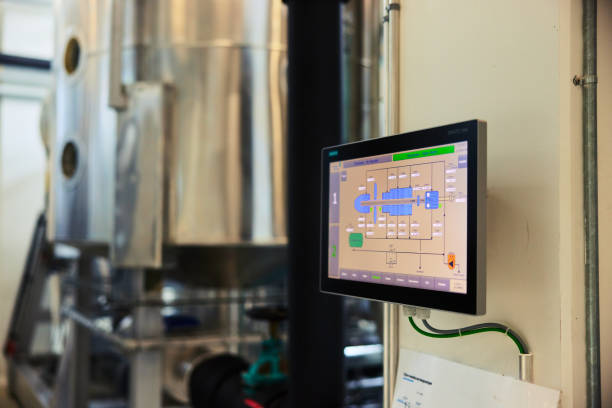
- Implement IoT sensors, PLCs (Programmable Logic Controllers), and SCADA systems for automation.
- Train Staff:
- Ensure employees are trained to operate and maintain new equipment.
- Partner with Experts:
- Work with experienced automation and engineering consultants to design and implement upgrades.
- Implement in Phases:
- Roll out automation upgrades in stages to minimize disruption.
Future Trends in Dairy and Beverage Plant Automation
- Artificial Intelligence (AI):
- Predictive maintenance powered by AI to reduce equipment downtime.
- AI-driven quality control for faster anomaly detection.
- Robotics:
- Robotic arms for packaging, palletizing, and cleaning tasks.
- Sustainability Technologies:
- Energy-efficient systems and water recycling technologies to reduce environmental impact.
- Advanced Data Analytics:
- Real-time production insights for continuous improvement.
- Cloud Integration:
- Cloud-based monitoring for remote access and control of plant operations.
Conclusion
Upgrading and automating liquid dairy and beverage plants is not just a necessity but a strategic move to enhance productivity, meet market demands, and ensure sustainability. By adopting advanced technologies and partnering with industry experts, businesses can transform their operations and secure long-term success.
Interested in upgrading your plant? Contact A2MD Services for tailored automation solutions designed to elevate your dairy and beverage production capabilities.